Basement Mold Remediation in Littleton, CO
A basement can look fine and still smell like a wet cellar from March to June. Across Littleton, Ken Caryl, Roxborough, and the south metro, basements and walkout lower levels take the brunt of Colorado's snowmelt and spring storms. MoldCare Littleton finds out how the water reached your lower level, removes the mold safely, and helps you keep it from coming back.
- Free Estimates
- Licensed and insured
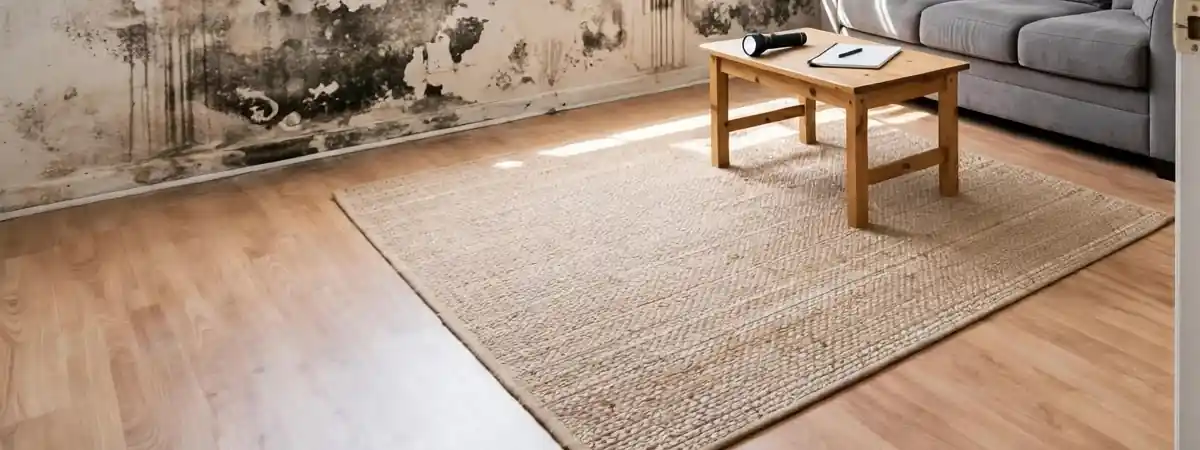
Why Littleton Basements Grow Mold
Basements sit below grade, where soil presses on the walls and floor. That alone makes them cooler and damper than the rest of the house. The Front Range adds its own local reasons.
Clay Soil That Holds Water
Much of the area sits on expansive clay. It swells when wet and drains slowly, so water stays against the foundation longer than you would expect in a dry climate.
Window Wells That Fill and Overflow
A well with no cover, a clogged drain, or a crack near the window can let meltwater or hail runoff reach the glass and the wall below.
Snowmelt and Spring Rain
When snow piled near the house melts fast, the ground cannot take it in. Water finds the cold joint where the wall meets the floor.
Grading and Gutter Problems
A yard that slopes toward the house, or a downspout that drops water at the foundation, sends rain to the same place every storm.
Sump Pumps That Fail
A pump with a dead battery, a stuck float, or a clogged line does nothing during the storm you need it most.
Indoor Humidity
Laundry, a bathroom with no fan, a hot tub room, and a finished basement with no airflow all add moisture. Cool air holds less of it, so surfaces turn damp.
Signs of Basement Mold
- A musty smell that gets stronger in spring or after rain
- White, chalky deposits on masonry, which can signal that water is passing through
- Dark spots on the lower few inches of drywall, baseboards, or paneling
- Carpet that feels damp or smells sour
- Peeling paint, bubbling, or soft drywall near the floor
- Warped trim or buckled flooring
- Stored cardboard that is soft or spotted
How We Handle Basement Mold
Find the Water
We look at the wall, the floor, the window wells, the plumbing, and the soil line outside. If we see a drainage problem, we tell you, because no cleanup lasts while water keeps coming in.
Set Up Containment
Basements often share air with the main floor through stairs and ducts. We seal the work area, protect vents, and run HEPA air filtration so the upstairs stays clean.
Remove What Cannot Be Saved
Wet carpet and pad, soaked drywall, and insulation with growth come out and are bagged for disposal. Hard surfaces such as concrete and framing are cleaned.
Dry and Verify
Air movers and dehumidifiers help the lower level dry. We check moisture again before you rebuild so new drywall is not closed over a wet wall.
What to Do After Cleanup
- Move gutters and downspouts so they discharge several feet from the foundation
- Check that soil slopes away from the house
- Cover and clear window wells
- Test the sump pump and its battery backup each season
- Use a dehumidifier and a simple hygrometer, and aim for below 60 percent humidity
- Keep stored items off the floor and away from exterior walls
Finished vs. Unfinished Basements
Unfinished basements are simpler: concrete, framing, and stored items. Finished basements hide more. Drywall, carpet, built-ins, and insulation can hold water out of sight, so the work involves cutting inspection openings and sometimes removing more than the stained area. We explain the choice before we cut.
What About Radon, Asbestos, and Older Materials?
Many Colorado basements have radon systems, and older homes may have old floor tile or textured finishes that need care. If you have a radon pipe or a vent in the work area, tell us. If the house dates from before the 1980s, tell us that too, so we can plan the right precautions before cutting.
Related Reading
Our blog explains why Littleton basements grow mold in more detail. If water came in suddenly, read about mold remediation after water damage.