Wall and Ceiling Mold Remediation in Littleton, CO
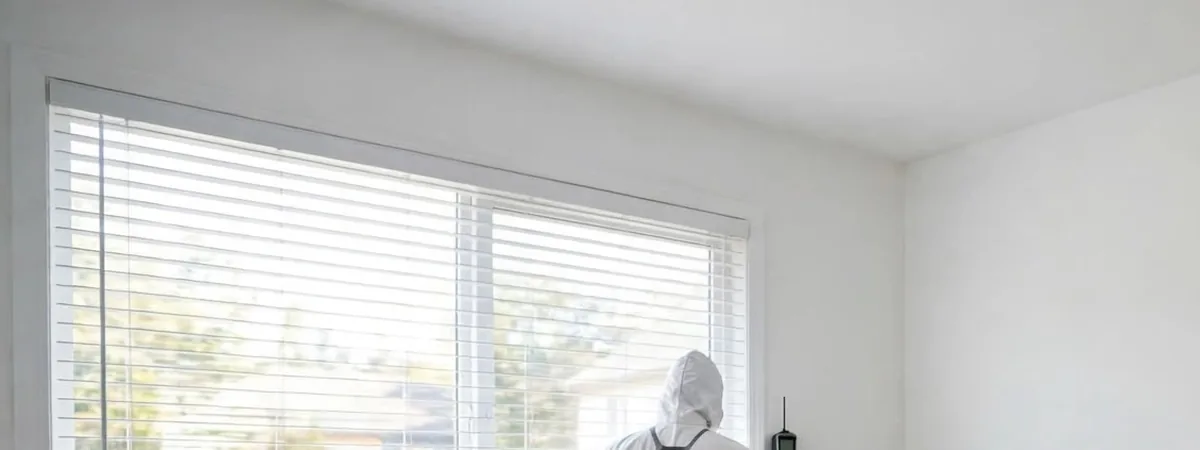
Mold on a wall or ceiling is usually the end of a story that started somewhere else: a roof, a pipe, a window, or a cold corner. MoldCare Littleton looks for that beginning, removes the mold and damaged drywall safely, and helps you repair the cause so the paint stays clean.
- Free Estimates
- Licensed and insured
Common Reasons Walls and Ceilings Grow Mold
Roof Leaks and Ice Dams
Water that gets in under shingles runs along the framing and shows up on a ceiling far from the leak. Ice dams and hail damage are frequent culprits in the Front Range.
Plumbing Leaks
A pinhole in a supply line, a leaking drain, or a loose shower valve can wet the inside of a wall for a long time before a stain appears.
Condensation on Cold Surfaces
Exterior corners, closets on outside walls, and the area behind a headboard can be cold in winter. Warm indoor air turns to water against them.
Windows
Failed seals, leaky frames, and condensation that drips onto the sill can wet the wall beneath.
Appliances and Humidifiers
A whole-house humidifier set too high, a leaking dishwasher line, or an icemaker line can add water to nearby walls.
Signs of Mold in Drywall
- Brown, yellow, or gray stains with a ring at the edge
- Black, green, or white spots, or fuzzy growth
- Bubbling or peeling paint and wallpaper
- Soft, crumbly, or bulging drywall
- A musty smell that gets stronger when it is warm or humid
- Dampness you can feel when you press the wall
- Mold in a closet, on a shelf, or behind furniture
Why Painting Over It Fails
Paint sits on top. It does not stop moisture and it does not remove mold. A painted-over patch can show again in a few weeks, and the drywall behind it keeps getting worse. We recommend removing damaged material, drying the structure, and only then repairing and painting.
How We Handle Walls and Ceilings
- Look and measure. We use a moisture meter to map the wet area, not just the stain.
- Plan the opening. We decide where to cut, how far to go, and what is behind the drywall.
- Contain. Plastic barriers and HEPA air filtration protect the rest of the house.
- Remove. Damaged drywall and insulation are cut out and bagged. We cut cleanly so repairs are simpler.
- Clean. Framing is cleaned with HEPA vacuuming and damp wiping.
- Dry and hand off. The wall is dried and checked, then ready for a drywall finisher and painter.
When Can We Clean Instead of Cut?
Mold on a painted, sealed surface that has not soaked in may be cleaned. Drywall paper and porous material that mold has grown into usually must come out. We explain which category applies to your wall.
Textured Ceilings and Older Homes
Ceilings with spray texture, especially in homes built before the 1980s, can contain materials that need special care. We ask about the age of your home and recommend appropriate checks before we scrape, sand, or cut.
Preventing New Mold on Walls
- Keep furniture a few inches off cold exterior walls
- Run bath and kitchen fans
- Keep indoor humidity below 60 percent, ideally 30 to 50 percent
- Fix roof, plumbing, and window leaks soon
- Open closet doors in winter and keep them from being packed tightly
Related Pages
For ceiling stains that come from the roof, see attic mold remediation. If the mold sits near a shower, read about bathroom mold remediation.