Some mold can be cleaned at home, and some needs a trained crew. The trick is knowing which is which before you start. A wrong guess can spread spores, hide a leak, or leave you with a bigger bill. Use the checklist below to decide whether a mold cleaning service in Littleton is worth a call.
When DIY Can Be Reasonable
Cleaning it yourself may be reasonable when all of these are true.
- The patch is small. The EPA treats an area of about 10 square feet or less as one many homeowners can handle.
- It is on a hard, non-porous surface such as tile, glass, sealed metal, or a plastic shower curtain.
- You know the cause, and the cause is fixed. For example, a bathroom fan was off.
- There is no sign of a leak, flood, or sewage.
- Nobody in the home is highly sensitive to mold.
If any one of these is not true, stop and read the next section.
When to Call a Professional
- The mold covers more than about 10 square feet, or it is in several rooms
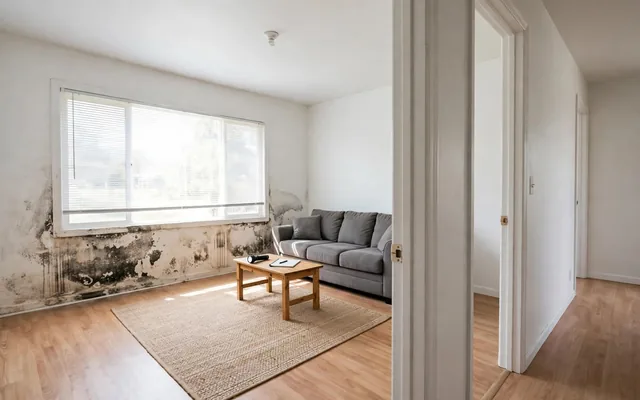
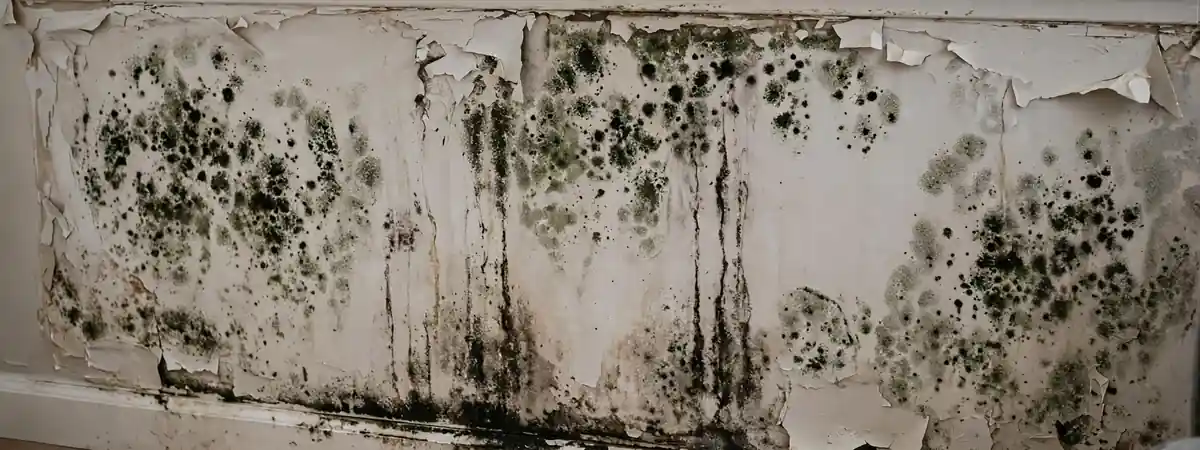
- It is on drywall, ceiling tile, insulation, carpet, or wood
- It came after a flood, a burst pipe, or sewage
- You smell mold but cannot find it
- It is near or inside the heating and cooling system
- It keeps coming back after you clean it
- Someone has asthma, allergies, a lung condition, or a weak immune system
- You are not sure what you are looking at
How to Clean a Small Patch Safely
If you decide to clean a small patch on a hard surface, follow these steps.
- Protect yourself. Wear gloves, eye protection, and an N95 respirator. Open a window if you can.
- Keep it contained. Close the door, and do not run a fan at the area.
- Use detergent and water. Scrub with a stiff brush or cloth and a mild detergent solution.
- Do not mix products. Never mix bleach with ammonia or other cleaners, because it can create toxic fumes.
- Wipe and dry. Rinse with clean water, then dry the surface thoroughly.
- Bag the waste. Put used cloths and sponges in a sealed bag.
- Fix the cause. If you skip this, the mold returns.
What Not to Do
- Do not spray bleach on drywall or wood
- Do not paint over mold
- Do not dry brush or sand it
- Do not use a household vacuum
- Do not blow a fan at it
- Do not cut into a wall without a plan, especially in an older home
Why Surface Matters
Hard surfaces can be wiped clean. Porous materials such as drywall paper, ceiling tile, and carpet absorb moisture and growth. Mold grows into them, and surface cleaning does not reach it. That is why we remove damaged porous materials instead of cleaning them.
The Cost of a Wrong Guess
A homeowner who scrubs a ceiling stain may release spores and still leave wet insulation behind. A homeowner who paints over a damp basement wall may find the paint blistering a month later. In each case the real problem, water, was never addressed. A professional visit is often less expensive than a second repair.
What a Professional Mold Cleaning Service Adds
- A moisture check that finds the wet area and the likely source
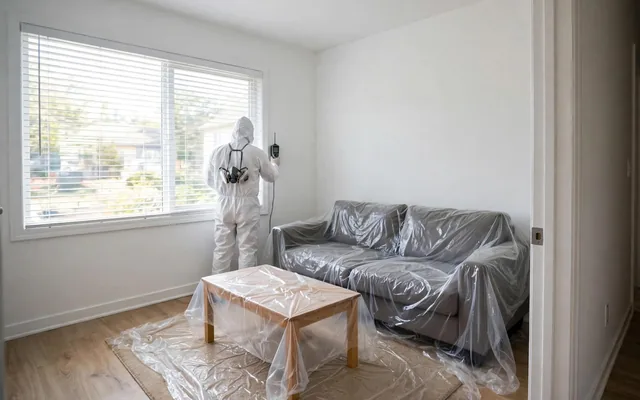
- Containment, so spores stay in the work zone
- HEPA air filtration and HEPA vacuuming
- Removal of materials that cannot be saved
- Drying equipment and follow-up checks
- Advice on the repair that stops the water
See the mold remediation page for the full process, or read how a mold inspection in Littleton works.
How to Choose a Company
Colorado does not license mold professionals, so ask questions. Ask about insurance, training, equipment, a written scope, and what happens if hidden damage turns up. See our FAQs for more.
The Bottom Line
Small, dry, hard-surface patches with a known cause are a reasonable DIY job. Anything bigger, hidden, porous, or wet calls for a trained crew. If you are unsure, send us a photo and we will tell you honestly which group you are in.
Address: 8752 Cedarwood Ln, Littleton, CO 80126
Licensed and insured. Free estimates.
More Guides