Mold in a rental can feel like a trap. The tenant lives with it, the landlord owns the building, and nobody is sure who must do what. This guide explains the general picture in Colorado and offers practical steps for both sides. It is general information, not legal advice. Laws change and facts matter, so contact an attorney or a tenant rights organization for advice about your situation.
Why Colorado Law Matters Here
Colorado has a warranty of habitability that applies to residential rentals. A 2019 law, HB19-1170, strengthened it. The law lists conditions that can make a home unfit to live in and sets expectations for how landlords respond after written notice. Mold tied to a landlord's failure to maintain the property or fix a leak can fall into this area, depending on the facts.
The details, including timelines and remedies, depend on the situation, so read the current statute or get advice before you rely on a date or a deadline.
If You Are a Tenant
1. Photograph It
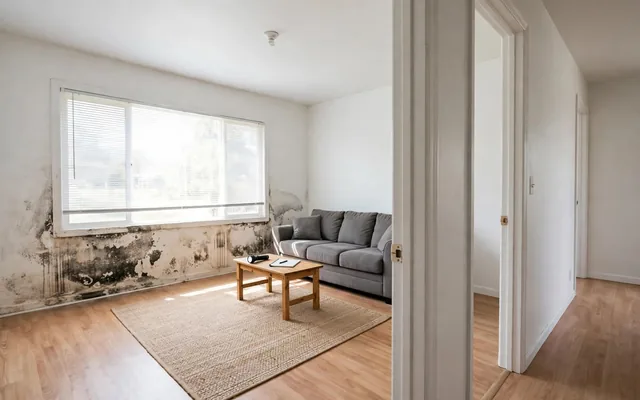
Take clear photos and short videos. Include the date, the location in the unit, and something for scale. Photograph any leak, stain, or damaged material too.
2. Find the Cause If You Can
Is it a leak from above? A cold corner behind a bed? A shower with no fan? The cause affects who is responsible and how to fix it.
3. Notify Your Landlord in Writing
Send a message or letter that describes what you see, where it is, and when you noticed it. Keep a copy. Email is helpful because it has a date. Phone calls are easy to dispute.
4. Protect Yourself and Your Belongings
Keep the area closed off if possible. Open windows if the weather allows, and run a fan that exhausts outdoors rather than at the mold. Move belongings away from the wall. If someone has asthma, allergies, or a weak immune system, talk with a doctor.
5. Keep Records
Write down every contact: who you spoke to, the date, and what was said. Keep receipts for anything you buy or pay for because of the mold.
6. Ask for Advice Before You Withhold Rent or Move Out
Colorado law sets rules about remedies. Acting too early or in the wrong way can hurt you. A tenant organization or a lawyer can explain your options.
If You Are a Landlord or Property Manager
- Respond promptly. A quick, documented response reduces damage and disputes.
- Find and fix the water source. Cleaning alone fails if the leak continues.
- Have the area looked at by a qualified company, and keep the written scope and photos.
- Tell the tenant what you are doing and when.
- Complete repairs and drying before rebuilding.
- Keep a record of the whole process.
Whether a tenant's habits contributed to the problem, such as no ventilation, is a fact question. Document what you see without assuming.
Common Causes in Rentals
- Roof or window leaks
- Plumbing leaks in walls and ceilings
- A bathroom with a weak or missing exhaust fan
- Condensation on cold exterior walls in winter
- Basement moisture in lower-level units
- Appliances that leak, such as dishwashers and washers
- Neighbor leaks in multi-unit buildings
What Cleanup Usually Involves
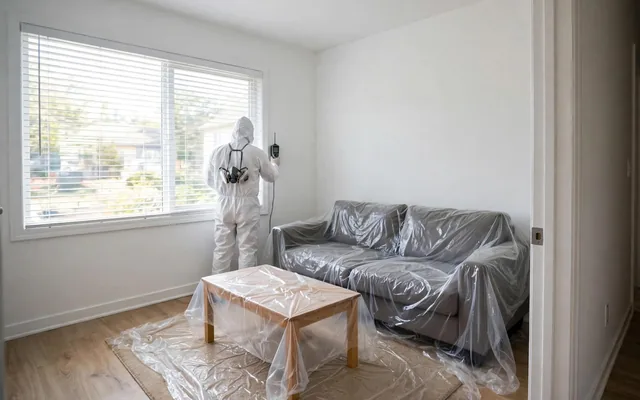
If the growth is more than a small area, or if it came after water damage, a trained company will check moisture, contain the area, remove damaged materials, clean, and help dry. See mold remediation for the process. Water events are covered under mold remediation after water damage.
Is a Test Needed?
Not usually. If mold is visible, the plan does not change. Testing may help with a dispute or when you smell mold but cannot find it. Ask about the method and the lab. See our guide to mold inspections in Littleton.
What We Can and Cannot Do
We can look at the area, measure moisture, explain what we see, give a written scope, and carry out cleanup. We cannot decide who is legally responsible, settle a dispute, or tell you your rights. For those, talk to a lawyer or a tenant rights organization. For landlords and property managers, see commercial mold remediation, which also covers managed properties.
The Bottom Line
Document early, communicate in writing, fix the source, and clean properly. That is good advice whether you rent or own, and it is the best way to avoid an argument later.
Address: 8752 Cedarwood Ln, Littleton, CO 80126
Licensed and insured. Free estimates.
More Guides